In eastern DRC, Rwanda-backed March 23 Movement (M23) fighters have committed horrific human rights abuses against artisanal miners while facilitating the trafficking of gold and coltan to neighbouring Rwanda with the help of Rwandan authorities. The miners recount horrific encounters with the fighters which include summary killings; torture and ill-treatment; arbitrary detention; forced labour and forced recruitment. In this interview one of the miners tells Amnesty International of his ordeal in a mine shaft in the hands of the M23 fighters. From daily beatings to being left inside the shafts for hours and being denied his rightful wages. This is his story which is replicated across the mines.
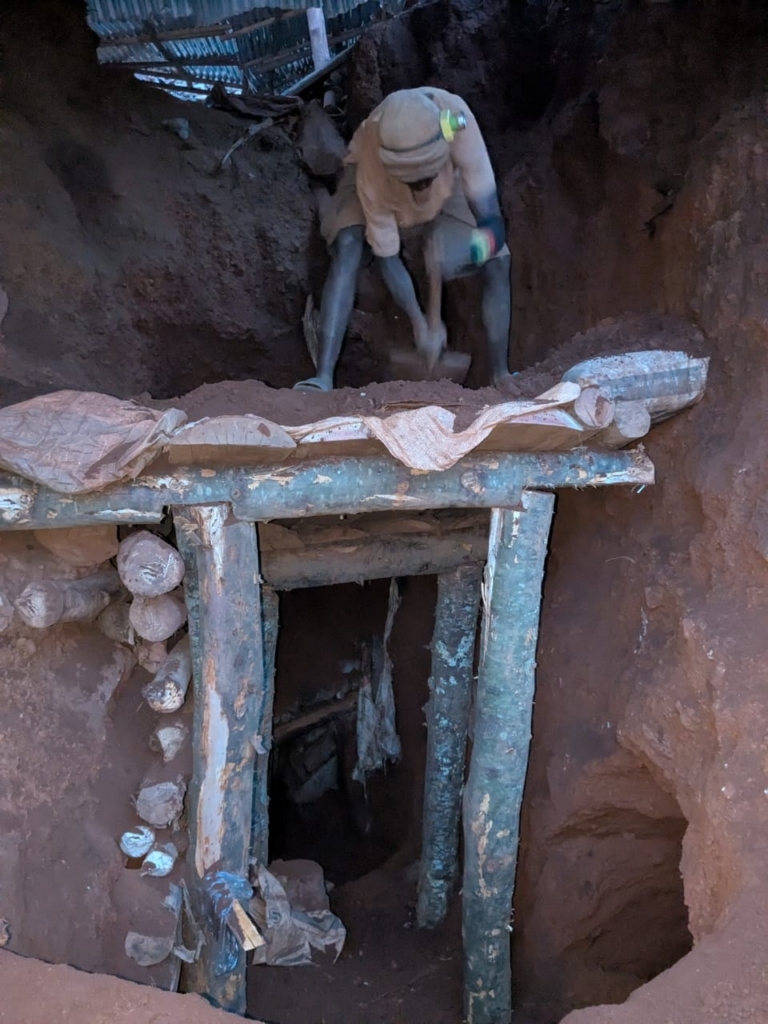
Since the last time I spoke with you, the situation has gotten worse. I have a lack of funds that is linked to many things [including] because I was beaten in the mine shaft. Because of the bad conditions [at the mine] I can’t work every day. I now work four times a week. I usually work around five hours a day and I am only paid 5,000 Congolese francs (US$2.17). There are around 120 diggers in each mine shaft. The boss gives the manager money, and he brings food (to diggers). We get one beignet [a piece of fried dough] and water for the day.
We’ve seen a lot of things that we can’t forget. The fact we must stay in the mine shaft against our will, the fact our bosses beat us, they beat people and they end up in the hospital.
Miner, DRC
There are Rwandans in the area who sometimes use force against us. When they come, they wear civilian clothes, but when there is an atmosphere of war, they wear military-style uniforms. I’ve seen them change [from civilian clothes to military uniforms] several times. They are my bosses. I work for them.
We’ve seen a lot of things that we can’t forget. The fact we must stay in the mine shaft against our will, the fact our bosses beat us, they beat people and they end up in the hospital.
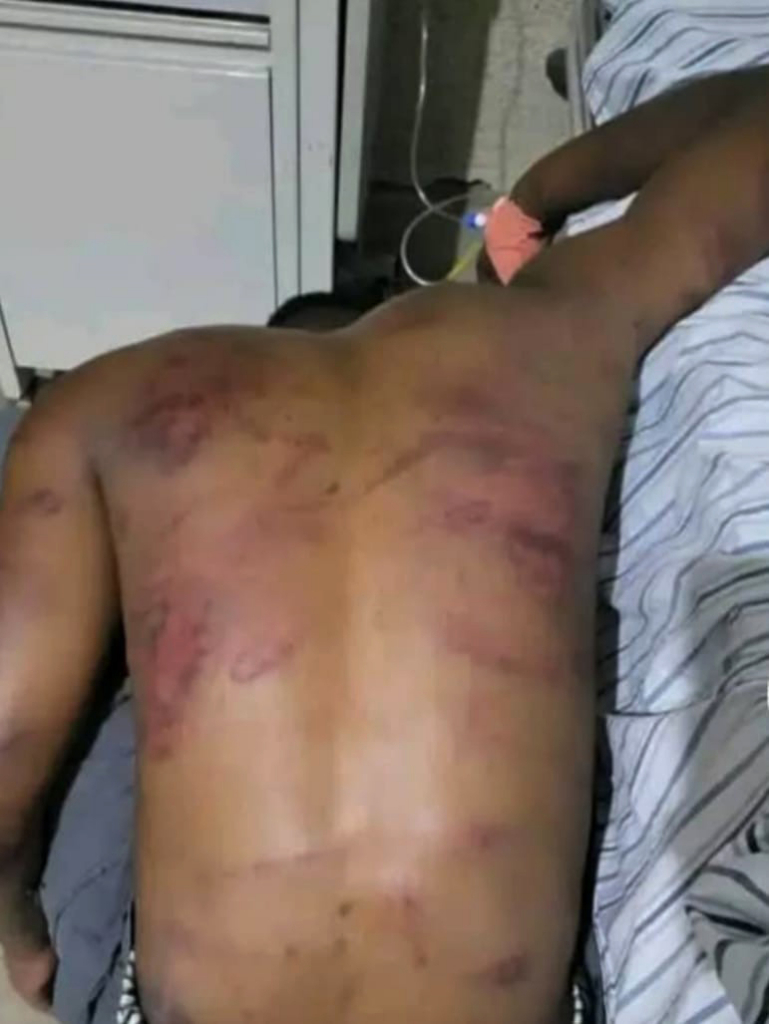
I was beaten this year. I was in the mine shaft and had been at work for three hours. The only thing I heard were the blows of the stick hitting me. Then I lost consciousness. It was the manager who beat me. He was Congolese, a colleague, but comes from Rwanda. There was no dispute that led to the beating. You just meet someone and he starts beating you. The managers are our intermediaries between us and our bosses. We shouldn’t be beaten by our colleagues. That’s why we believe there was an order that was behind it.
Luwowo is one of several validated mining site that respect CIRGL-RDC norms and guaranties conflict free minerals.
When I woke up in the hospital, I noticed all the bandages all over my body. On my head, arms, feet, joints and one on my stomach. I spent three days in the hospital.
There are Rwandans in the area who sometimes use force against us. When they come, they wear civilian clothes, but when there is an atmosphere of war, they wear military-style uniforms. I’ve seen them change [from civilian clothes to military uniforms] several times. They are my bosses. I work for them.
Miner, DRC
Others suffered the same thing I did. It’s not every day, but it happens maybe four times a week. They are taken to the hospital. There are sometimes other people who stand up for them, and they are saved. Others are left to die. I’ve seen people who died and were buried in the mine shaft.
I want everyone to know that the expensive telephones they are buying are made from expensive minerals, and the telephones they use come to them after a lot of blood has been spilled. I want advocacy done so that the minerals are extracted in a legal way and so the diggers are also treated legally. That’s why we need someone to carry our voices far so that when we are digging, there is no blood spilled in the mine shaft.
Thank you [Amnesty] for thinking of us. Continue your work so that you know what we are facing. Continue your work so we can live a peaceful life like everyone else. Let the world know that we need advocacy so we can put in place the laws of the country here.
To have people monitoring the situation, that would be a good thing. When the observers are doing their work, [M23] wouldn’t be able to commit abuses. They commit a lot of abuses. When they do bad acts, the observers could write reports about them.
If you carry our voices to those far away, that will be good for us. That would be a big help.
Help end impunity in the DRC
CALL ON PRESIDENT TSHISEKEDI TO Establish an internationalized judicial mechanism now.
duniapermainan.id